Periodontal Treatment Ventura: Compassionate Care for Sensitive Gums
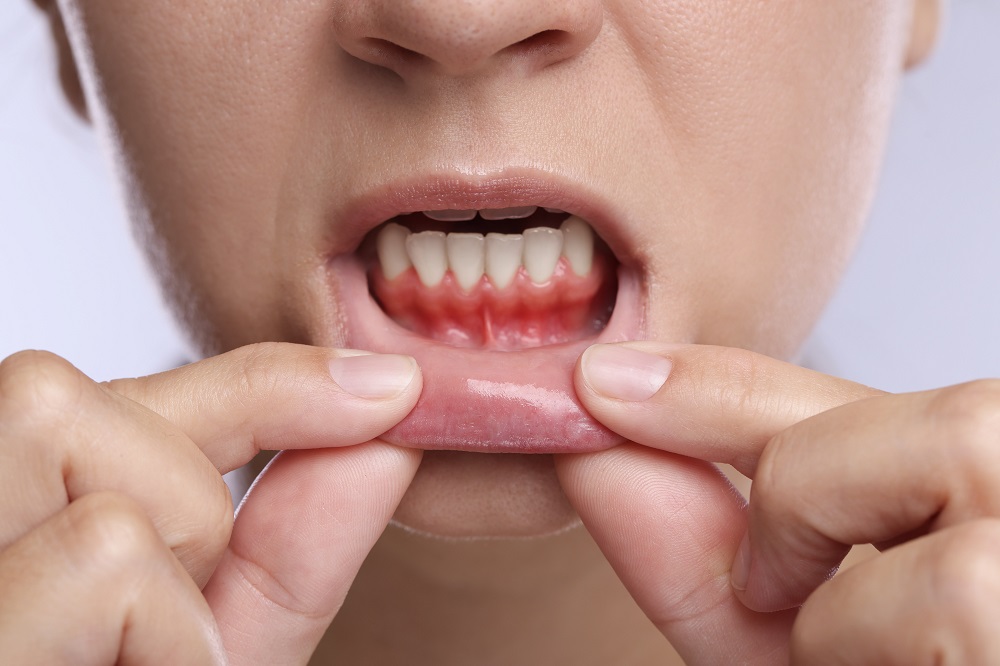
Gum problems rarely announce themselves with drama at first. More often, they begin quietly: a little blood in the sink when you brush, tenderness along one side of the mouth, breath that seems harder to freshen, or a feeling that your teeth are somehow not as secure as they used to be. Many people ignore those early signs because they are busy, because dental visits make them nervous, or because their gums already feel sensitive and the idea of treatment sounds uncomfortable.
That hesitation is understandable. Sensitive gums can make even routine cleanings feel intimidating. Yet periodontal disease does not pause while someone works up the courage to call. It tends to progress in the background, gradually affecting the gums, the ligament around the teeth, and the supporting bone underneath. By the time pain appears, the condition is often more advanced than patients expect.
That is why thoughtful, patient-centered periodontal care matters. When people search for Periodontal Treatment Ventura, they are often looking for more than a technical procedure. They want skill, of course, but they also want reassurance. They want a team that does not rush, a clinician who explains what is happening in plain language, and a treatment plan that respects pain sensitivity, anxiety, and real life constraints.
Why gum health deserves more attention
Healthy gums do not usually attract attention, which is part of the problem. People notice a cavity because a tooth hurts. They notice a broken filling because it feels sharp. Gum disease can advance with far less drama. Mild inflammation, known as gingivitis, often causes redness, swelling, and bleeding with brushing or flossing. At that stage, the condition is typically reversible with professional care and improved home hygiene.
When inflammation moves deeper and becomes periodontitis, the stakes change. The supporting structures around the teeth begin to break down. Pockets can form between the teeth and gums, bacteria can settle below the gumline, and bone loss can start. Patients may notice gum recession, shifting teeth, or a bite that feels slightly different. Some report that food catches more often between teeth that never used to trap anything.
In practice, one of the most revealing moments during a periodontal exam is when a patient says, “But nothing really hurts.” That is common. Gum disease is not always dramatic. It is often cumulative. A person may have years of mild bleeding and inflammation before the condition reaches a point that feels urgent.
For patients with sensitive gums, there is another layer. When brushing or flossing feels uncomfortable, people naturally back off. They brush less thoroughly, avoid certain areas, or skip flossing where the tissue is tender. That creates a frustrating cycle: inflammation makes cleaning uncomfortable, and less effective cleaning allows more plaque and bacteria to accumulate, which worsens inflammation.
What compassionate care actually looks like
Compassion in periodontal care is not a marketing phrase. It shows up in practical choices. It means taking the time to numb sensitive areas adequately before deeper cleaning. It means adjusting techniques for a patient with a strong gag reflex, jaw soreness, or anxiety. It means explaining pocket measurements and X rays without making a patient feel judged. It means recognizing that many adults carry embarrassment about their oral health, even when they have been doing their best.
In a well-run periodontal setting, the first appointment sets the tone. A thorough review of symptoms, medications, medical conditions, and oral hygiene habits should happen before treatment decisions are made. Some patients have systemic conditions that affect the gums or healing, including diabetes, autoimmune disorders, or dry mouth related to medications. Smokers and former smokers may show different tissue patterns than nonsmokers. Patients who clench or grind may have recession or mobility that is not due to infection alone. Good care takes all of this into account.
The emotional side matters too. It is not unusual for patients to arrive expecting to be scolded. Many have delayed care because of cost concerns, scheduling problems, prior painful dental experiences, or plain fear. A compassionate provider does not waste energy on blame. The focus is on where things stand now and what can be done to stabilize the situation.
Signs that should not be brushed off
Some symptoms are subtle, but they are still worth evaluating promptly. If you are unsure whether your gums need professional attention, the following signs commonly justify a periodontal assessment:
- bleeding during brushing or flossing that happens more than occasionally
- gum tenderness, puffiness, or persistent redness
- chronic bad breath or a sour taste that keeps returning
- teeth that feel looser, longer, or more spaced apart
- gum recession, especially if roots are becoming exposed or sensitive
Not every case of bleeding means advanced disease, and not every tender area turns into a major problem. Still, these changes are signals. Early intervention is almost always simpler, less invasive, and less expensive than waiting until deeper structures are https://messiahtzot827.capitaljays.com/posts/the-patient-s-guide-to-periodontal-treatment-ventura involved.
The first periodontal visit in Ventura
Patients often imagine that a periodontal appointment will begin with treatment right away. More often, the first step is careful diagnosis. That is a good thing. Sensitive gums should not be handled with a one-size-fits-all approach.
A typical periodontal evaluation includes measuring the depth of the spaces around the teeth, checking for bleeding points, assessing gum recession, evaluating tooth mobility, and reviewing dental X rays to look for bone changes. Those pocket measurements can sound abstract, but they tell an important story. Shallow, healthy spaces are easier to keep clean. Deeper pockets are more likely to trap bacteria and calculus below the gumline.
This exam also helps separate look-alike problems. Gum recession, for example, can stem from periodontal disease, but it can also be influenced by aggressive brushing, thin gum tissue, bite trauma, or orthodontic changes. Swollen gums might be related to plaque buildup, but sometimes hormonal changes, certain medications, or mouth breathing contribute. Good diagnosis prevents overtreatment and undertreatment alike.
In Ventura, as in many coastal communities, practices often see a broad mix of patients: young adults who have neglected cleanings for a few years, retirees managing complex medical histories, working parents squeezed for time, and long-term residents who simply want to save their teeth as they age. The best periodontal treatment plans are not generic. They reflect the patient sitting in the chair.
Understanding nonsurgical periodontal treatment
For many patients, the first line of care is nonsurgical treatment, usually scaling and root planing. People often hear this described as a “deep cleaning,” which is broadly accurate but not very descriptive. The goal is to remove plaque, tartar, and bacterial deposits above and below the gumline, then smooth root surfaces so the tissue can heal and reattach more effectively.
For sensitive gums, how this treatment is delivered matters almost as much as the treatment itself. Local anesthetic is commonly used to keep the appointment comfortable. Some offices divide treatment into quadrants, treating one section of the mouth at a time, which can make the process easier to tolerate. Ultrasonic instruments, hand instruments, or a combination of both may be used depending on the amount of buildup, the depth of the pockets, and the patient’s comfort level.
There is a misconception that deep cleaning is inherently harsh. In experienced hands, it is usually more relieving than patients expect. Inflamed gums are sore partly because bacteria and deposits are irritating them constantly. Once those irritants are removed and healing begins, many patients notice less tenderness, less bleeding, and a cleaner, calmer feeling in the mouth within days to weeks.
Some cases also call for localized antimicrobial therapy or medicated rinses, though these are not necessary for everyone. A conservative provider uses them when they are likely to add value, not as a default add-on.
When surgical care becomes the better option
Not all gum disease can be managed with nonsurgical therapy alone. If deep pockets remain after initial treatment, or if there is significant bone loss, persistent infection, or tissue defects that are hard to clean, surgical periodontal care may be recommended.
That can sound alarming, but periodontal surgery covers a range of procedures, and many are more straightforward than patients imagine. Pocket reduction procedures aim to improve access for cleaning and create a healthier gum contour. Gum grafting can protect exposed roots, reduce sensitivity, and improve the stability of receding areas. Regenerative procedures may be considered in carefully selected cases where rebuilding support around a tooth is possible.
The key is judgment. Surgery is not automatically better because it is more advanced. In some mouths, excellent maintenance after scaling and root planing keeps the condition stable for years. In other mouths, delaying surgery allows continuing damage in areas that simply cannot be managed well without better access. This is where specialist experience matters. A seasoned periodontist knows when to monitor, when to intervene, and when expectations need to be realistic.
Sensitive gums require a different chairside approach
Patients with sensitive gums often worry less about the diagnosis than about getting through treatment comfortably. That concern should be addressed directly, not brushed aside with “you’ll be fine.”
Several factors affect comfort. Existing inflammation makes tissues more reactive. Exposed root surfaces can be highly sensitive to touch, cold air, and water. Anxiety heightens physical tension and can make ordinary sensations feel sharper. If someone has had a painful dental experience in the past, even the sounds of instruments can trigger stress before treatment begins.
A thoughtful periodontal team usually manages this in layers. Numbing should be thorough, and there should be no reluctance to pause and add more anesthetic if needed. Communication matters. Patients should know what sensations are normal, what pressure might feel like, and when to signal for a break. Shorter appointments can help some people more than marathon sessions. Others prefer completing treatment in fewer visits to avoid repeated anticipation. There is no universal formula.
One of the most practical signs of compassionate care is pacing. Rushed dentistry often feels rough, even when the technical work is sound. Deliberate, calm treatment usually feels gentler because the clinician is not fighting the clock.
What recovery usually feels like
Many periodontal procedures have easier recoveries than patients fear. After scaling and root planing, mild soreness, slight gum tenderness, and temporary sensitivity to cold are common. Most patients can return to normal activities the same day. Soft foods, lukewarm drinks, and careful home care are typically enough for the first day or two. Surgical procedures involve more variation, depending on what was done, but even then, discomfort is often manageable with a mix of local measures and prescribed or recommended medication.
A practical roadmap helps patients recover with fewer surprises:
- use any prescribed rinse or medication exactly as directed
- stick to gentle brushing in treated areas until your clinician says normal brushing can resume
- choose softer foods for a day or two if chewing feels tender
- avoid tobacco, which delays healing and increases the risk of recurrence
- keep the follow-up visit, even if you feel fine
The last point matters more than many people realize. Follow-up is where healing is assessed, residual problem areas are identified, and maintenance intervals are tailored. Periodontal treatment is rarely a single event. It is a process of stabilizing the disease and then keeping it stable.
Maintenance is where long-term success is won
This is the part patients often underestimate. The dramatic before-and-after thinking that works for some dental procedures does not fit periodontics very well. Gum disease can be controlled very successfully, but it also tends to recur if maintenance slips.
After active treatment, many patients need periodontal maintenance visits more often than a standard twice-yearly cleaning schedule. Three- or four-month intervals are common because bacterial repopulation in deeper pockets can happen relatively quickly. These visits are not “just cleanings.” They are focused reassessments of gum health, pocket stability, bleeding, plaque control, and areas that need more attention.
At home, technique usually matters more than intensity. Many people with sensitive gums scrub too hard because they think more pressure means better cleaning. It usually does not. A soft toothbrush used thoroughly along the gumline is more effective and less traumatic than aggressive brushing. Interdental cleaning, whether with floss, picks, or small interdental brushes, should match the anatomy of the spaces between teeth. What works beautifully in a tightly spaced front section may be useless around wider back teeth.
This is also where real-world coaching counts. A patient with arthritis may need a powered toothbrush or modified grip. Someone with bridgework or implants may need tools different from standard floss. A patient who works long shifts might do better with a simpler routine they can actually sustain than with an elaborate one they abandon after a week.
The connection between gums and overall health
Periodontal care should not be framed with exaggerated claims, but it would be a mistake to treat the mouth as separate from the rest of the body. Chronic inflammation in the gums can complicate broader health management, and certain medical conditions can make gum disease harder to control.
Diabetes is a classic example. Patients with uncontrolled blood sugar often experience more severe periodontal inflammation and slower healing. At the same time, untreated gum infection can make glucose management more difficult. Neither problem exists in a vacuum. Pregnancy, hormonal shifts, dry mouth from medications, immune conditions, and tobacco use all change the periodontal picture.
For that reason, a good periodontal provider pays attention to medical history beyond the boxes on a form. If a patient’s gum condition is not responding as expected, the answer may not be simply “clean better.” Sometimes there is a larger medical context that needs to be acknowledged.
Choosing the right provider for Periodontal Treatment Ventura
When evaluating options for Periodontal Treatment Ventura, clinical credentials are only part of the picture. Patients with sensitive gums often do best in offices that combine technical skill with a calm, unhurried culture.
Look for a provider who explains findings clearly and does not rely on fear to drive decisions. You should understand whether your condition is mild, moderate, or advanced, what the realistic options are, and what each option involves in terms of comfort, cost, healing, and maintenance. If surgery is recommended, ask why nonsurgical treatment alone is unlikely to be enough. If watchful monitoring is suggested, ask what signs would change that plan.
Office systems matter too. Is there enough time built into appointments, or does the schedule feel stacked? Does the team discuss pain control in specific terms? Are home care instructions personalized or generic? Small details often reveal whether a practice is built around patient experience or simply throughput.
For many Ventura patients, location and convenience matter because periodontal care involves follow-up. A beautifully done procedure loses value if maintenance keeps getting postponed due to a difficult commute or a scheduling setup that never works for your life. Practicality is not a minor issue. It is part of adherence, and adherence affects outcomes.
The emotional side of treating gum disease
There is an emotional weight to periodontal treatment that clinicians see every week. Some patients feel shame because they think gum disease means they failed at brushing. Others fear they are going to lose their teeth because a family member did. Some become overwhelmed by the cost of deferred care and freeze rather than make a plan.
A strong periodontal team understands this without dramatizing it. Teeth and gums sit at the intersection of health, appearance, comfort, identity, and finances. Of course people feel vulnerable about them. The best care creates enough psychological safety for honest conversations: yes, flossing has been inconsistent, yes, smoking has been hard to quit, yes, there is a limited budget, yes, dental treatment has felt traumatic before. Those facts are not obstacles to treatment planning. They are part of it.
Patients often do better once the uncertainty is gone. A clear explanation of what is happening, what can be saved, what cannot be predicted with certainty, and what the next step should be tends to lower anxiety quickly. Even when the news is not ideal, clarity is easier to live with than ambiguity.
Saving teeth is often possible, even after years of neglect
One of the most encouraging realities in periodontics is that many teeth can be maintained far longer than patients assume, provided the disease is diagnosed accurately and managed consistently. Not every compromised tooth can or should be saved, but people are often surprised by what can stabilize once infection is under control and maintenance becomes routine.
That said, honesty matters. Teeth with severe mobility, advanced bone loss, root fractures, or unfavorable anatomy may have limited long-term prospects. A compassionate provider does not overpromise. Sometimes the most responsible recommendation is to treat the rest of the mouth aggressively while discussing extraction and replacement options for a few hopeless teeth. Preserving the health of the whole mouth matters more than prolonging one failing tooth at any cost.
This balance between optimism and realism is where experience shows. Periodontal care is not just about instrumentation. It is about judgment, timing, communication, and respect for the patient’s goals.
Moving forward without fear
If your gums bleed, sting, recede, or feel unusually delicate, postponing care rarely makes the situation simpler. Sensitive gums are not a reason to avoid treatment. They are a reason to seek treatment from people who know how to work gently and thoroughly.
Effective periodontal care should leave you feeling informed, respected, and more comfortable than when you arrived. It should reduce inflammation, protect the support around your teeth, and give you a home care routine you can actually keep up with. Most of all, it should replace dread with a plan.
For patients looking into Periodontal Treatment Ventura, that combination of skill and compassion is not a luxury. It is the standard worth seeking, especially when your gums have already been telling you they need help.
Avra Dental
Address: 1708 S Victoria Ave B, Ventura, CA 93003
Phone number: (805) 941-1001
FAQ About Periodontal Treatment Ventura
Can a dentist get rid of periodontal disease?
A dentist or gum specialist (periodontist) cannot fully cure or reverse advanced periodontal disease (periodontitis), but they can successfully stop its progression and manage the infection.
Is periodontitis very serious?
Yes, periodontitis is a very serious, advanced form of gum disease that destroys the bone and tissues supporting your teeth.
How is stage 2 periodontal disease treated?
Stage 2 periodontal disease (early to moderate periodontitis) is primarily treated with non-surgical deep cleaning procedures like scaling and root planing to remove bacteria and tartar below the gumline.